🎵 Audio guide
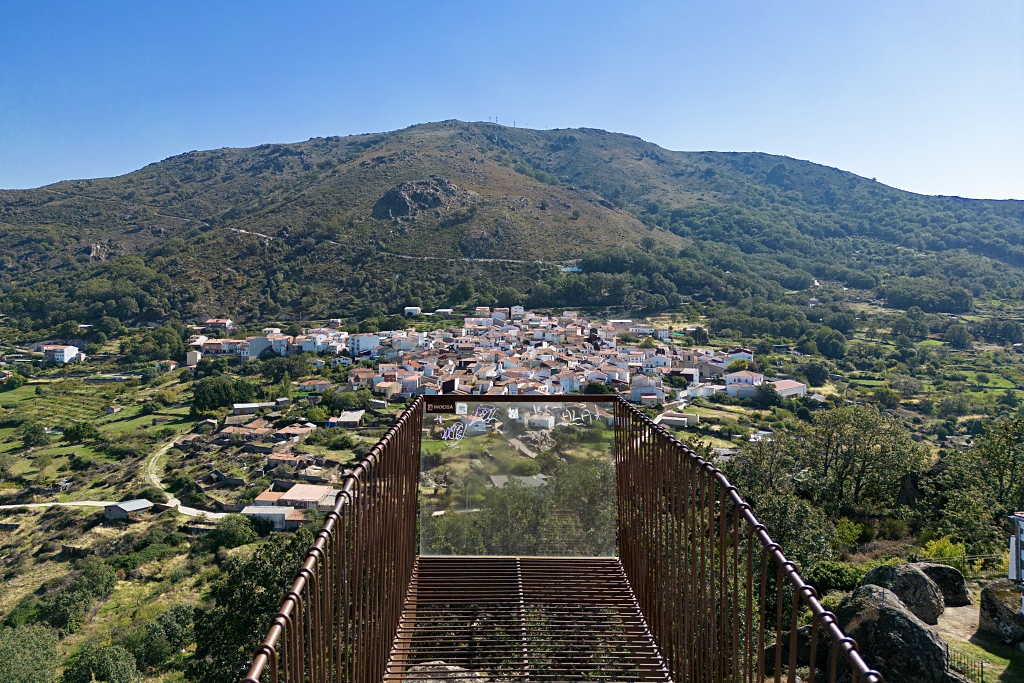
Sheltered behind the Búho or Castillos Hill, Cabezabellosa sits in a small valley at the foot of the Pitolero Peak which forms part of the Montes de Tras la Sierra range. Its unique location on the ridge between the Jerte and Ambroz Valleys affords it exceptional views.
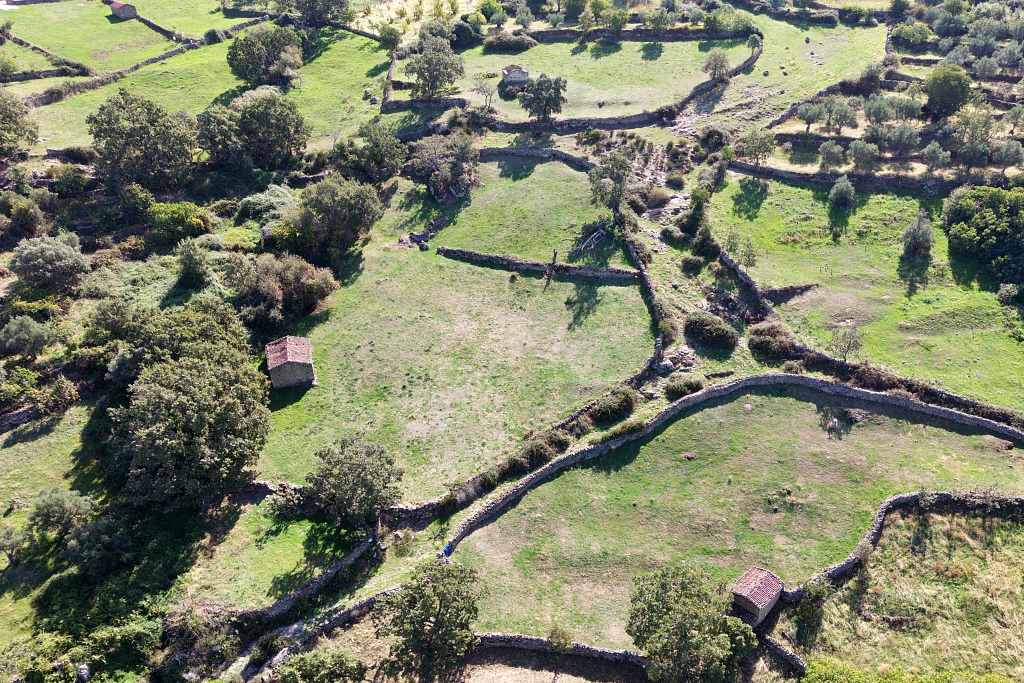
It forms the gateway to the Valle del Jerte region from that of Tierras de Granadilla and is the perfect environment for goat herding, an activity which has contributed to the development of the village and its surroundings and whose importance is reflected in the multitude of buildings used for livestock or related activities, both in the surrounding countryside and in the village itself.
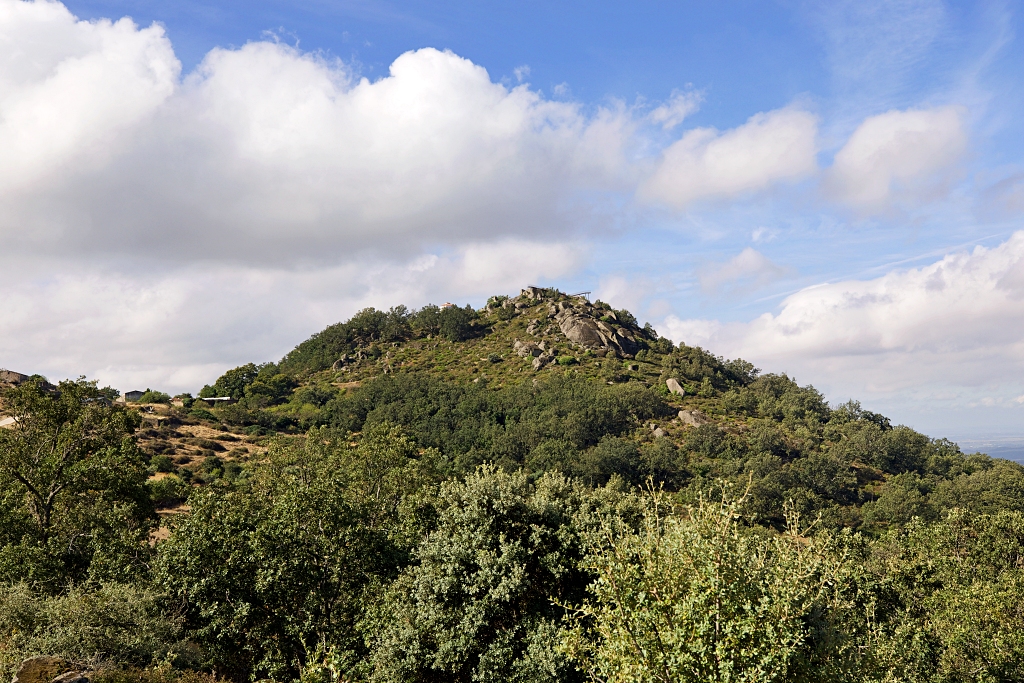
There is evidence that people have been present in this area since ancient times, with remains from the Vettones (an ancient Celtic people), Romans, Visigoths and Moors, who made use of the natural defensive advantages of the spot in order to control the area, giving rise to the place name El Castillo or The Castle. In the 12th century, Alfonso VIII reconquered the area and left it under the jurisdiction of the Diocese of Plasencia until the 19th century when Cabezabellosa attained its independence.
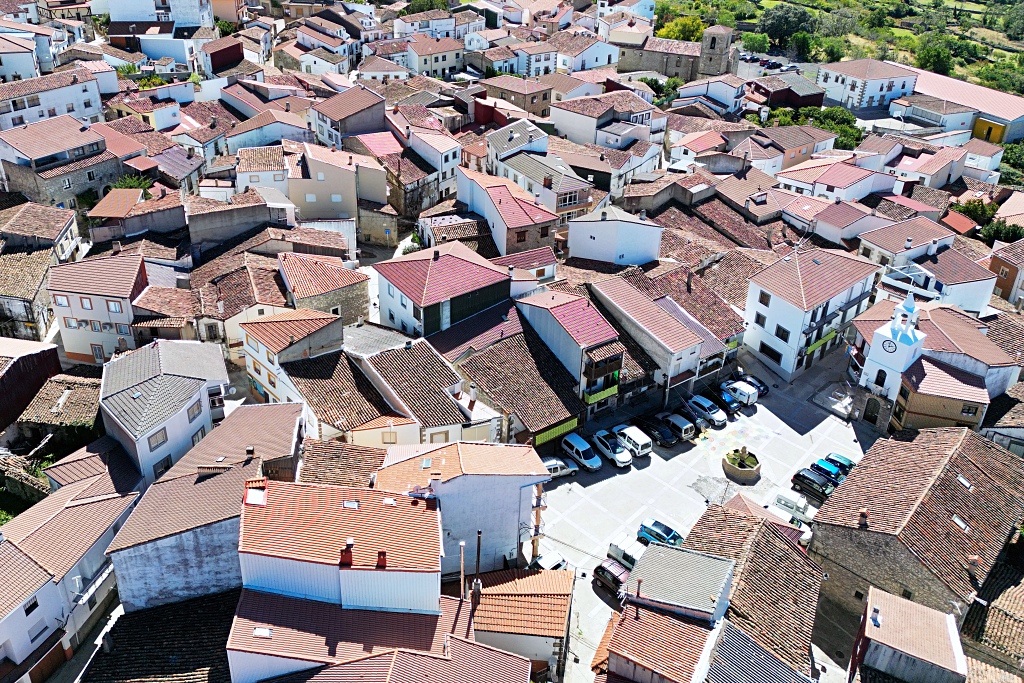
The old part of Cabezabellosa is compact, with a disorderly layout – houses are crammed together forming narrow, winding streets, some of which meet at impossible angles. Calle Larga is particularly unique and La Plaza, the Square boasts a well-preserved portico and the magnificent town hall.
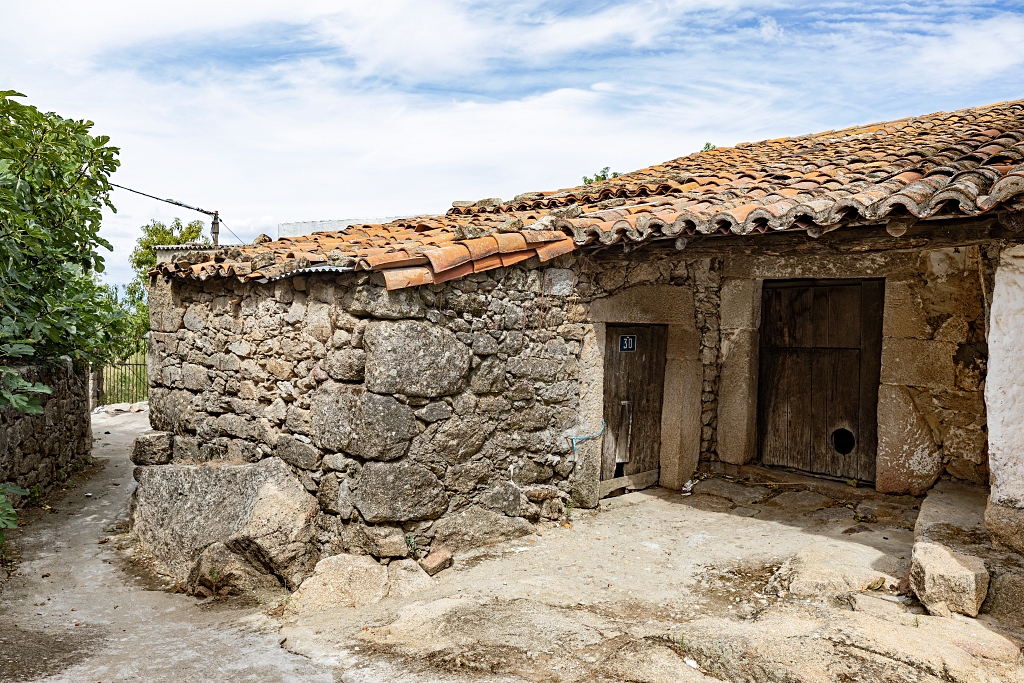
Despite some unsympathetic development which resulted in the loss of some of its traditional architecture, there are still many small granite houses and many beautiful examples of carved stonework, carpentry and ironwork. The most impressive are the manor homes of the Caravajal family.
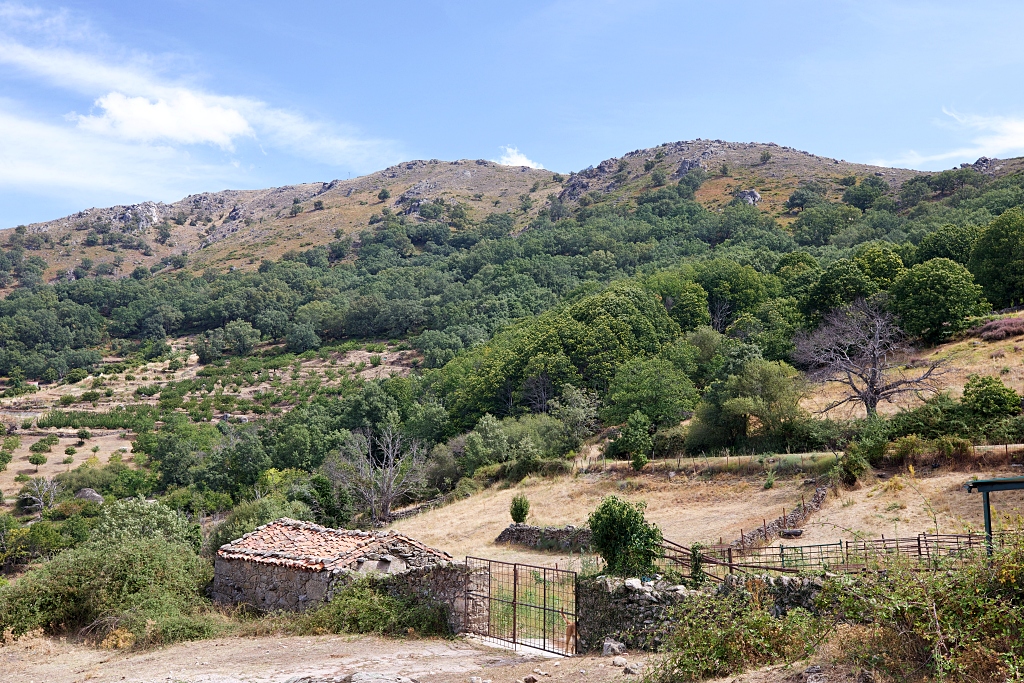
The surroundings are a tapestry of green, dotted with the grey of the granite outcrops and their rounded boulders. The lowest areas are dehesa (wooded pastures), with oak and chestnut forests, small meadows, vegetable gardens and orchards on the higher ground, while the highest areas are scrubland and goat herding grounds.
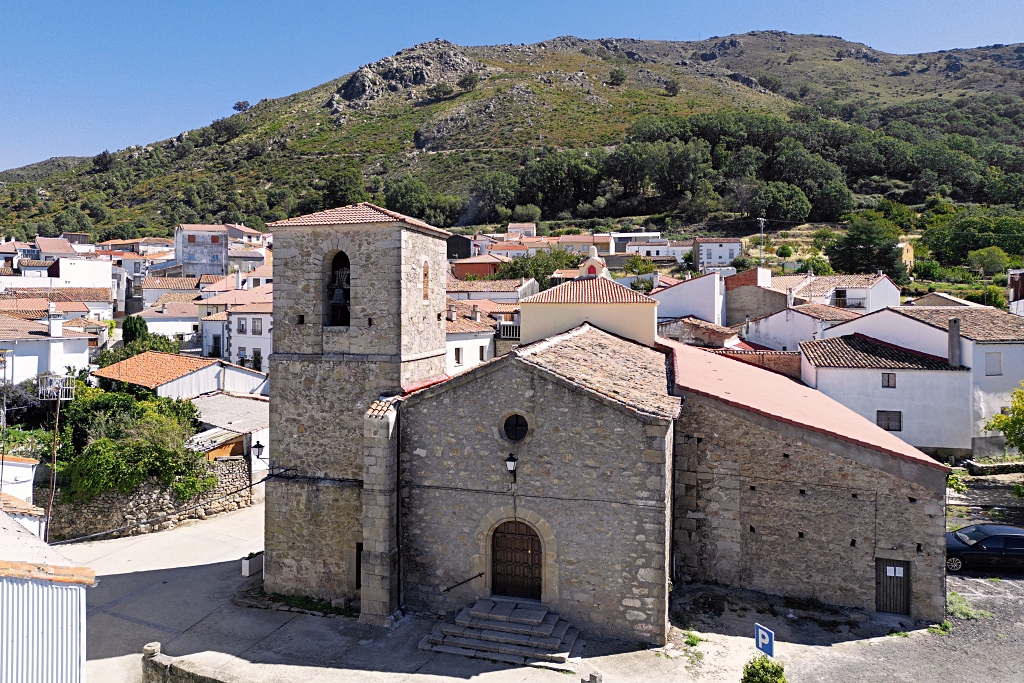
Cabezabellosa has many interesting features such as the Church of San Lorenzo, the Chapel of Nuestra Señora del Castillo and the Chapels of San Antonio and Los Mártires, the Goat Herding Interpretive Centre, the old washhouses or fountains, and the traditional architecture and layout of the village.
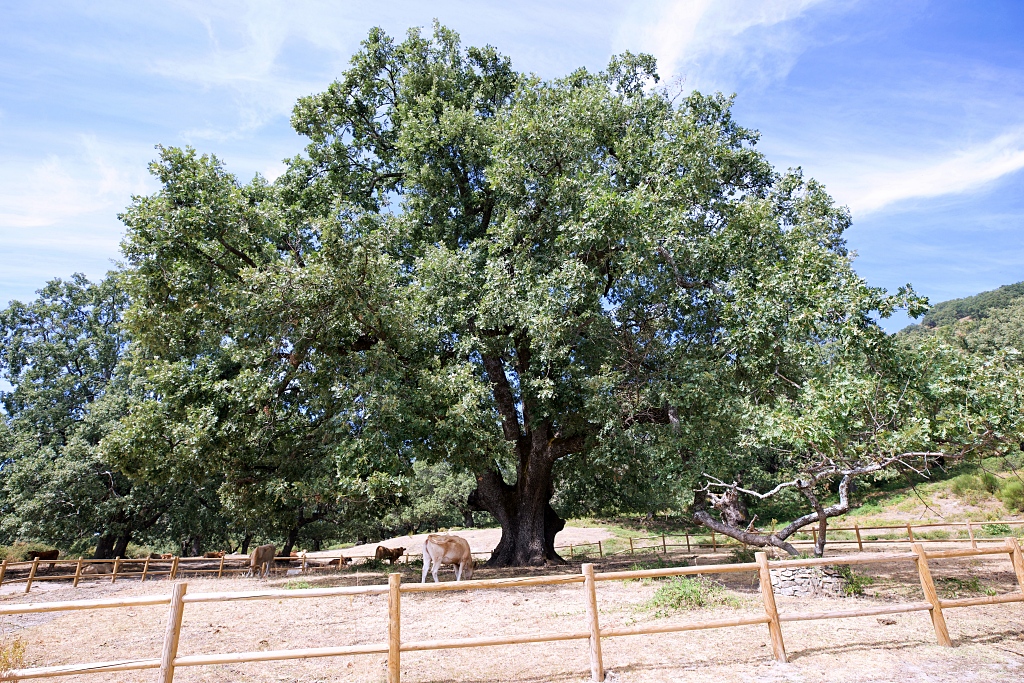
Its surroundings boast the Romarejo Oak Tree, with its official “singular tree” designation; the area variously known as el Cerro, el Búho or el Castillo, where there are six climbing routes; and the Pitolero Peak from where there are views of most of the province of Cáceres and which is used as a base for paragliding and hang-gliding.
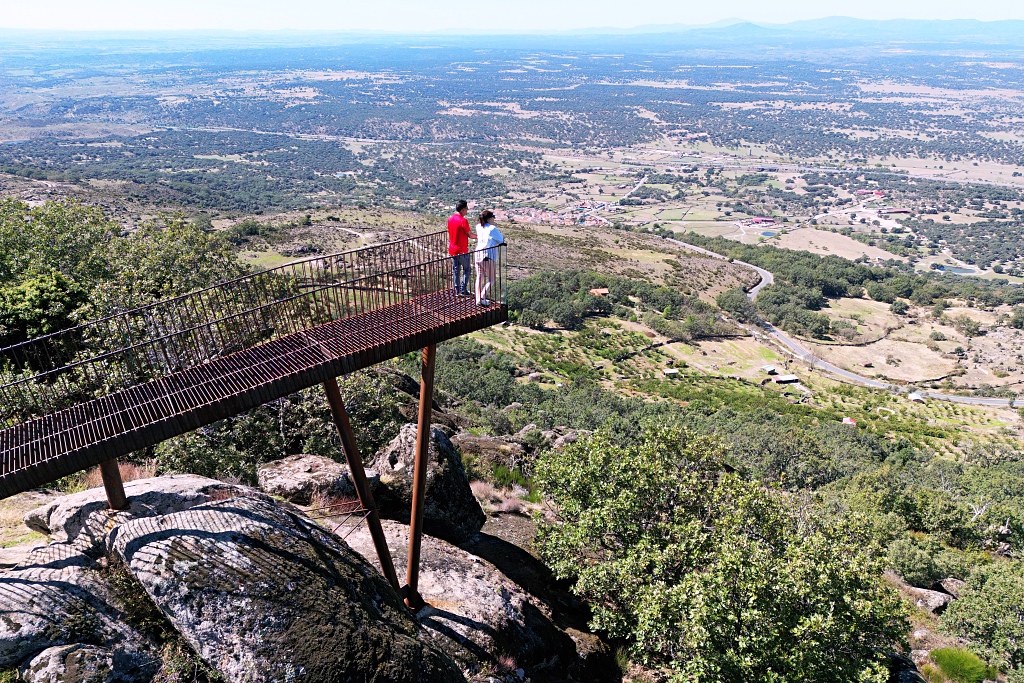
A visit to the viewpoint at the Chapel del Castillo is a must for anyone who wants to discover the north of Extremadura. Better known as the Cabezabellosa viewpoint, this is an amazing space which is perfectly complemented by a walk, during which you can discover the natural treasures and the cultural heritage of Cabezabellosa.